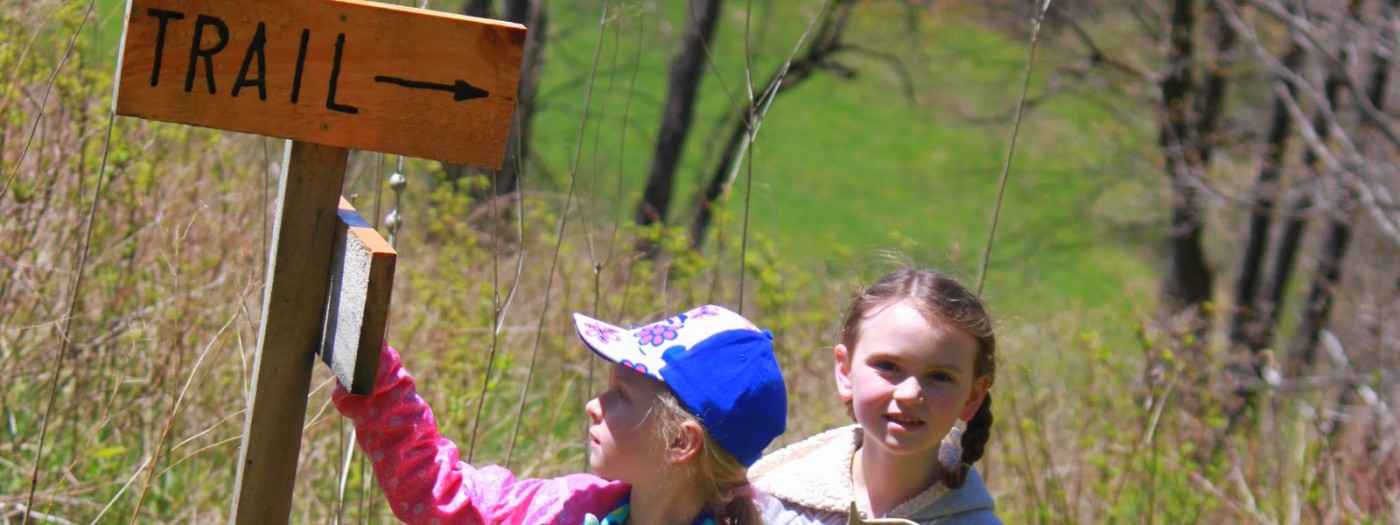
Trail Etiquette

Photo: Chris Olney

How to Be a Good Traveler on Your Nature Outings

Land trails and waterways are shared by people, animals, and plants – and human visitors should observe a few best practices.

The locations featured on Gofingerlakes.org are owned and managed by various organizations; please follow the regulations at each location.  Also see our page about safety and disclaimers.  Generally, at all locations, a good maxim for visiting protected natural areas is found on Finger Lakes Land Trust signs:

Take only pictures, leave only footprints.

Here are other best practices for your outdoor adventures.

Hikers and bikers

As a general rule, bikers should yield to hikers, and both must yield to equestrians (see below).  On trails where mountain biking and hiking are permitted, it is important for bikers and hikers to be aware of their surroundings.  This is especially true for bikers racing down steep descents and around sharp turns.  Here, the hiker has the right of way, and bikers must pay close attention to the trail ahead.

However, as with all rules, there are some grey areas.  If a biker is riding up a steep hill and a hiker is walking down, the friendly thing for the hiker to do is step off the trail and let the biker pass.

Horses

Equestrians always get the right-of-way.  If you are on the trail and see a horse approaching, whether you are on foot or bike, stop moving and step aside to give the horse and rider a chance to pass.  Make sure you step fully off the path, on the downhill side if possible, giving the horse plenty of space.  Speak softly to the horse and rider as they approach and do not make any sudden movements when the horse passes.

When approaching a horse and rider from behind, announce your presence from as far away as possible so you don’t startle the horse.  Only pass when the rider says that it is safe.  Dogs should always be leashed and kept as far away from the horse as possible.

Uphill vs. downhill

Generally, downhill traffic yields to uphill traffic.  If you are hiking uphill, you get the right-of-way. Similarly, bikers climbing up the trails get the right-of-way over bikers on their way down.

Dogs

If you bring along your four-legged friends, keeping them leashed and under control is essential for the safety and enjoyment of all.  In many locations it is the official rule, but in all locations it is a best practice.

Pack in, pack out

This one is so obvious that it need not be mentioned.  Except that it needs to be mentioned — because once in a while you still see human garbage laying around a natural area.  Of course, people sometimes leave items by accident, such as water bottles, so do a mental inventory of your belongings and leave the place as clean as you found it — or better!

Collecting

In some locations, collecting fossils and other treasures is expressly forbidden.  But even where there is no posted rule, it’s a great idea to leave nature alone for the enjoyment of those who will come after you.  Even future generations!

No bushwacking

Stay on the marked trails and designated areas.  That’s the best way to stay safe AND avoid trampling delicate plant life and fragile insect homes.  It only takes a few people to casually start a new trail by bushwacking off the main trail, and before you know it a new part of the forest or wetland is getting heavily traveled.  Please let the official land stewards determine where trails should be.

Private property

Many landowners are serious about their private property.  Take a moment to read the local trail signs and get familiar with the lay of the land.  Sometimes, even if you feel like you are on a designated trail, you can wander onto private lands.  Be smart and respect property rights, not least because many private property owners are the key to conservation in the Finger Lakes region — by donating easements and otherwise being good stewards of their own land.

COVID-19 Practices

See our COVID-19 Updates page about trail safety and park closings in response to the coronavirus crisis.

Let’s care for our trails and open new nature preserves!

Join the Land Trust

Hunting Season Safety

Photo: Chris Olney

“Be Safe, Be Seen” on Your Outdoor Adventures During Fall and Winter Hunting Seasons

A reminder to recreation enthusiasts that many parks, forests, and nature preserves allow hunting and trapping in designated periods

Go Finger Lakes would like to encourage all outdoor lovers to be especially mindful of safety during the fall and winter hunting seasons.  Each location profile on Go Finger Lakes includes a link to the managing organization – whether it be the Finger Lakes Land Trust, a New York State agency, or a nature center – and visitors should consult that agency for hunting information BEFORE EACH OUTING.

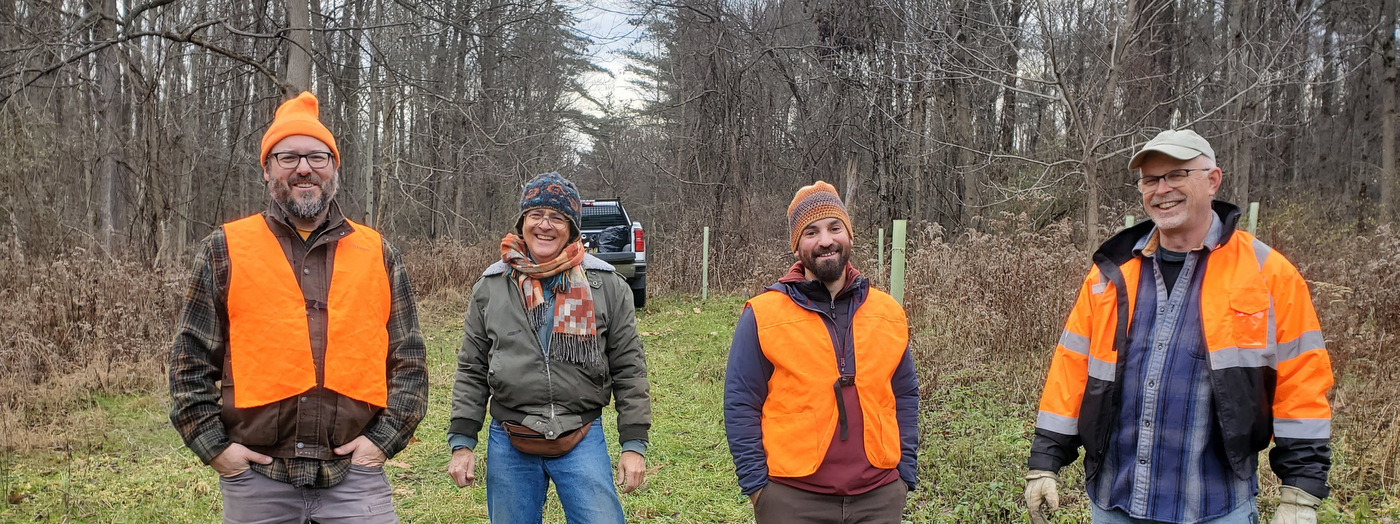
Wear Blaze Orange

Please see this October 2024 alert from the New York State Department of Environmental Conservation (DEC):  DEC Reminds Outdoor Enthusiasts to Share the Woods Safely This Season

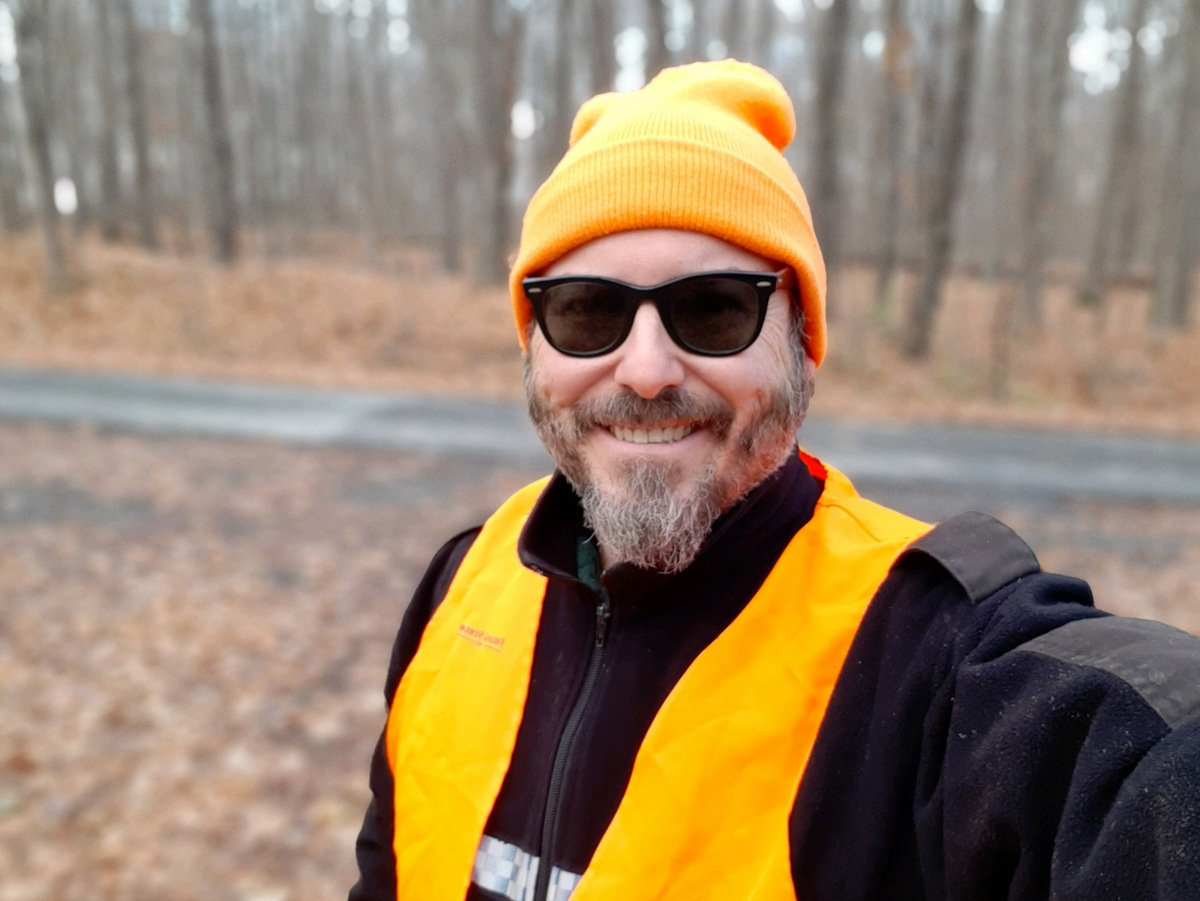
DEC encourages all outdoor enthusiasts to respectfully share the woods during fall and winter hunting seasons and follow safety precautions by wearing bright clothing: blaze orange or blaze pink. Bright colors allow hikers and hunters to be seen more easily and from farther away.

In addition, wearing bright colors makes it easier for Forest Rangers, Environmental Conservation Police Officers, and other rescue personnel to find lost, sick, or injured people afield.

Pet owners are encouraged to dress their dogs in blaze orange or pink or another bright color vest or scarf. Dogs should also stay leashed at all times.

Trapping seasons for many species are open throughout the fall and early winter. Although a rare occurrence, traps set for furbearers like raccoons and coyotes can also capture dogs that are not under control. Trapping is a highly regulated activity and regulations are strongly enforced.

Trappers are required to take an educational course before getting a license and DEC works closely with the trapping community to encourage trapping techniques that minimize risks to non-target wildlife and other domestic animals.

Keeping dogs on a leash is safer for the dog, for other people, and gives pet owners peace of mind.

Also on the DEC web site:  Hunting Seasons, and Trapping Seasons.  Learn more about hunting in NY State Parks.

Do you love blazing trails?

Volunteer with FLLT

Trail Safety

Photo: Brian Maley

How to Be Safe When Exploring These Great Places

Consult each location manager for definitive maps, rules, risks, and advisories.

The locations featured on Gofingerlakes.org present a variety of terrains and conditions.  Each location comes with its own risks and regulations.  Trail details, hours of operation, seasonal updates, and other “facts on the ground” are subject to change without being reflected on this web site.

The maps and data on Gofingerlakes.org are intended to help you discover great opportunities for outdoor recreation — not to serve as authoritative navigational aids or definitive assessments of difficulty and risk.  Thus, users should consult the agency that maintains each location.  Information is provided on each location page.  For example:

main

Best practices for staying safe include following the official maps and regulations for each location, staying within your experience level, traveling with companions, telling someone where you are going, and watching the weather.  Finger Lakes trails present a variety of terrains with slopes, rocks, uneven ground, hanging limbs, variable weather patterns, and other hazards.  Be smart.  Happy exploring!

mainfllt

Locations managed by the Finger Lakes Land Trust are identified as shown above.  For those locations, please see Public Use Policies on our web site and contact us with any questions or concerns.

Disclaimers

You are responsible for your own safety.  Trail conditions change with weather and other factors.  The Finger Lakes Land Trust does not assume responsibility for the condition of trails or any difficulties or hazards that you may encounter in the outdoors. 

Please stay on marked trails, where they exist, to minimize disturbance of native plants and wildlife, and to avoid hazards.  Always be aware of potential hazards such as: dead trees, hanging trees or branches, cliffs, steep slopes, loose or slippery shale, rocks or other unstable footing, thin ice, old wire or building remains, plants with thorns or toxins (such as poison ivy), ticks, and stinging insects.  Trail conditions change daily.

COVID-19 Practices

See our COVID-19 Updates page about trail safety and park closings in response to the coronavirus crisis.

Etiquette

In addition to being safe, you want to be a good “citizen” and steward of these trails — showing respect for other hikers, animals, and plants!  See some of our ideas about trail etiquette.  Please share that page with fellow outdoor enthusiasts and contact us to suggest ideas to add.

Suggestions

Do you see info on Gofingerlakes.org that could be updated?  Please contact us.


Let’s care for our trails and open new nature preserves!

Join the Land Trust